
Weave extensions overview
Weave extensions overview: weaves add length and coverage by sewing, bonding, taping, clipping, or crocheting hair onto a foundation. Method choice drives maintenance more than marketing glamour.
Watch the video
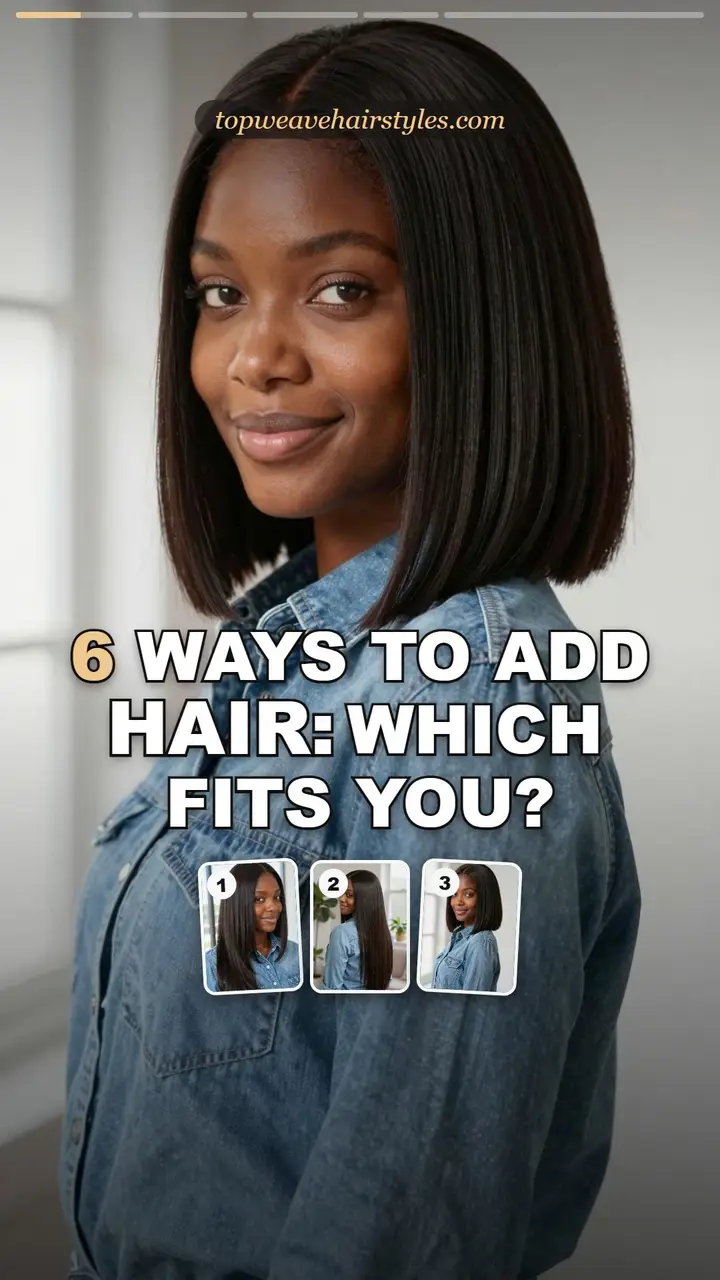
Quick answer
Start with lifestyle (wash frequency, gym, swim, leave-out health), then pick sew-in, quick weave, tape-in, clip-in, or crochet. Budget install, maintenance, and take-down — not only the first photo.
Method follows lifestyle; maintenance is part of true cost.
Start every weave journey by evaluating your natural hair density and scalp tolerance before picking a track pattern. A great install balances weight distribution with realistic styling upkeep so your real hair thrives underneath between salon visits.
- Method follows lifestyle
- Maintenance is part of cost
- Edges and hygiene always apply

Method menu
| Method | Typical strength | Typical watch-out |
|---|---|---|
| Sew-in | Longevity / secure | Braid tension |
| Quick weave | Speed | Adhesive / shorter wear |
| Tape-in | Blend on finer hair | Oil + move schedule |
| Clip-in | Removable | Daily install effort |
| Crochet | Texture speed | Loop / base care |
Shopping hair
Human vs synthetic, texture match, and grams matter. Origin labels are marketing — verify wefts.
Check the stitch density along the track seam and tug gently at the ends to spot excessive shedding or bearding before committing to a full head of bundles. Always weigh your packs to ensure you have enough fullness for longer lengths. Before adding products to your cart, check our buyer criteria for best tape-in extensions for blend guide to avoid cheap fillers.
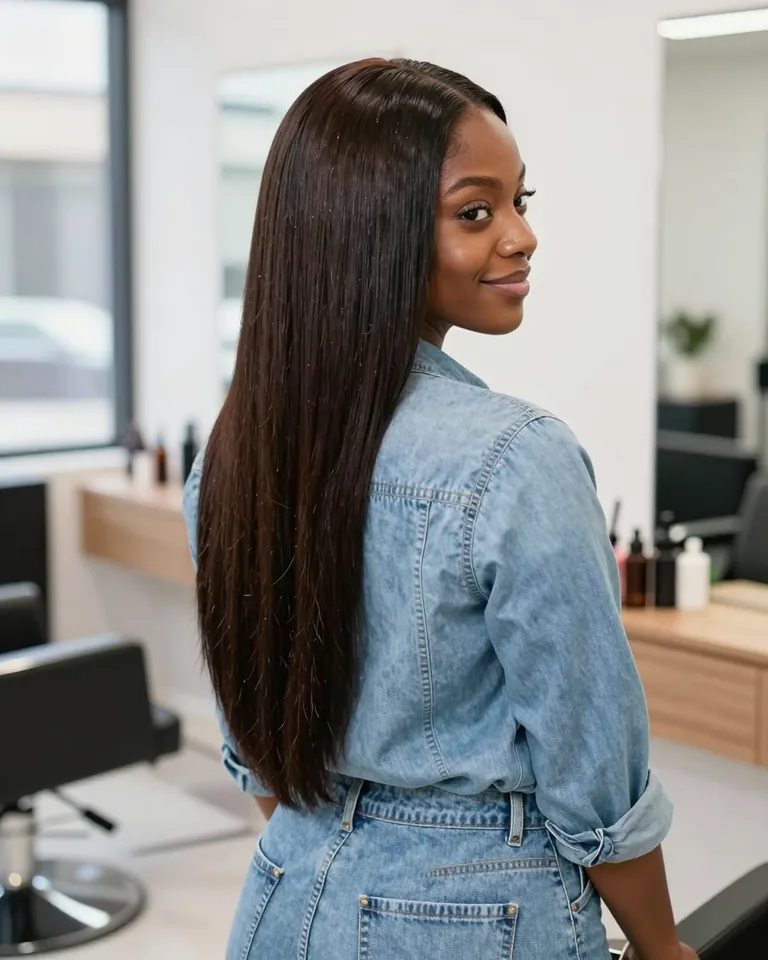
Health baseline
Protective claims never cancel physics.
Never ignore throbbing temples or tiny white tension bumps right after leaving the chair, because tight perimeter anchor braids cause permanent follicle damage. Dry your braids thoroughly with a hooded dryer after every wash to prevent mildew. Keep your install looking fresh week after week by following our protective styles without weave routine.
- Honest tension
- Rest cycles
- Clean dry foundations
Cost thinking
Include packs, install, maintenance products, and take-down. Cheap installs with ruined edges are expensive.
Factor in professional wash-and-tighten appointments every three weeks alongside silk bonnets, sulfate-free cleansers, and proper bond-removing oils. Paying for skilled braid foundations saves months of costly scalp recovery later. Keep your install looking fresh week after week by following our how much does a weave cost routine.

Where to go next
Use how-to-choose-a-weave, sew-in vs quick weave, and cost guides to narrow the path.
Compare closure coverage against traditional leave-out tracks based on how often you sweat at the gym or use hot tools daily. Picking a method that fits your weekly routine keeps your blend seamless without overworking your edges. If you are weighing two options side by side, our tape-in vs sew-in comparison clarifies wear time and upkeep.
FAQ
Do weaves damage hair?
They can if tight/heavy/neglected — care decides.
How do I start?
Book a consult with photos, lifestyle notes, and edge history.
Sources
- American Academy of Dermatology — hairstyles and hair loss — Traction context for tight styles.
More guides
- Sew-in vs quick weave Method compare with annual cost scenarios — not a one-line “sew-ins are better.”
- Crochet vs sew-in Crochet wins speed and textured fashion; sew-ins win sleek longevity when tension stays honest.
- Tape-in vs sew-in Tape-ins stay flatter with accessible hair; sew-ins tuck more hair for longer fashion-protective wear.
- Microlink vs sew-in Protective sew-in simplicity vs lightweight microlink movement — pick by routine.
- Types of sew-in weaves Start with partial vs full — then pick traditional, vixen, closure, or frontal by parting and leave-out health.
- Human hair vs synthetic weave Pick fiber by wear window and heat plans — not by which word sounds premium.
- How much does a weave cost? Line-item pricing and annual scenarios — not a single magic number.
- Choosing sew-in hair Lifestyle-first decision tree before you spend on bundles and lace.
- How to choose a weave Method → texture → length/density → fiber → care load — then shop.
- Wig vs weave Removable daily vs set-and-forget weeks — pick from scalp, calendar, and edge goals.
- Machine weft vs hand-tied weft Hand-tied can lie flatter; machine wefts are tougher and more common for classic sew-ins.