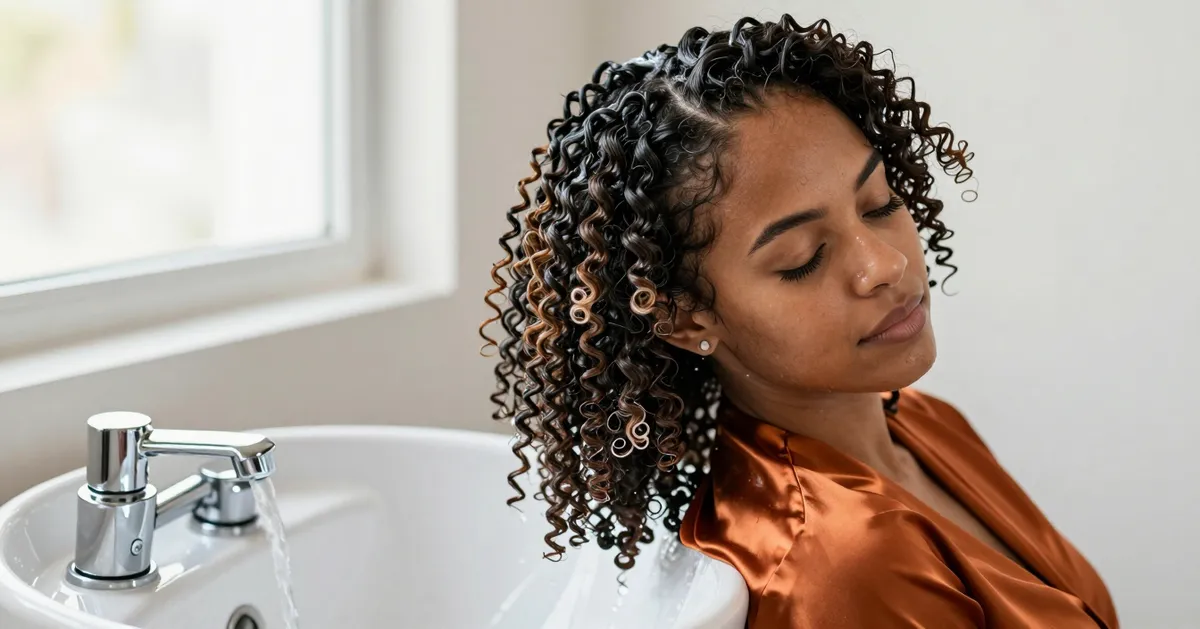
How to wash a weave
How to wash a sew-in weave: dilute shampoo to the scalp rows, condition lengths (not the braid mush), rinse thoroughly, then dry the foundation completely — wet bases create odor and itch.
Quick answer
Section the hair, apply diluted shampoo to the scalp between tracks with fingertips (not nails), cleanse lengths gently without scrubbing wefts into knots, rinse well, condition mid-lengths to ends, blot, then dry braids fully with airflow or a hood dryer. Never sleep on a damp sew-in foundation.
How often
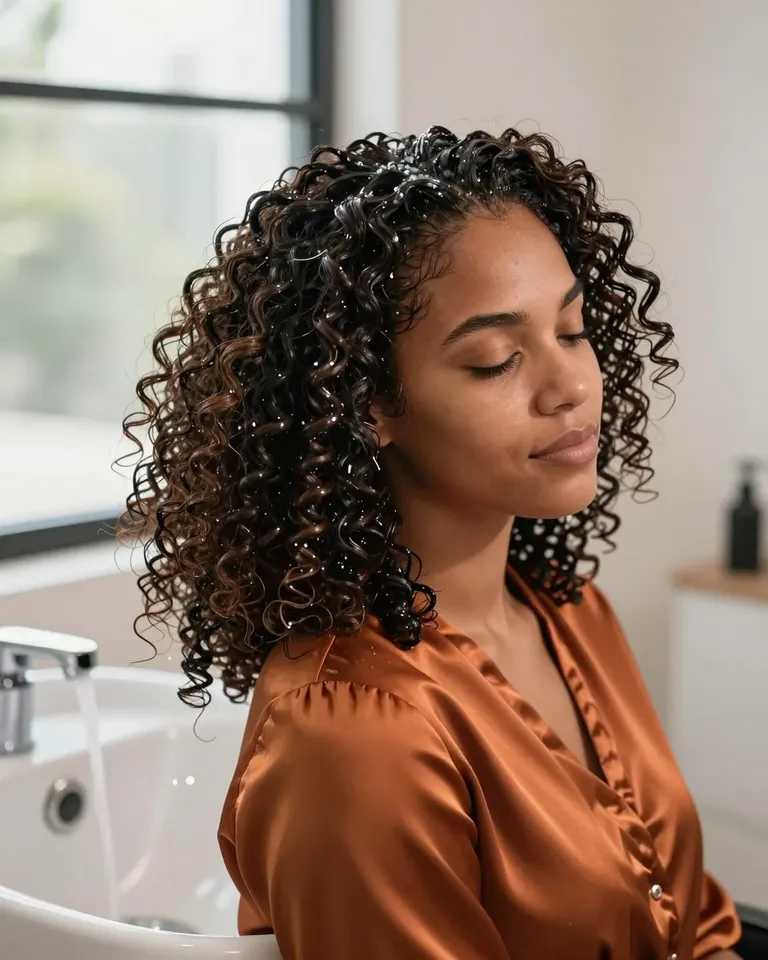
Many wearers land around every 1–3 weeks depending on sweat, products, and scalp oil. Itching, odor, or heavy buildup means wash sooner — or take down if you cannot get the base clean.
Athletes and humid climates often need the shorter end of that range. If you cannot dry the base after a wash, pick a different evening — damp sleep undoes the cleanse.
Before water
Quick weaves follow different water rules — this guide is sew-in focused; ask your stylist before soaking bonds.
- Detangle lengths dry or with light slip — ends first
- Mix shampoo with water in an applicator bottle for row access
- Have microfiber towel + dryer plan ready before you wet the base
Cleanse the scalp (the actual job)
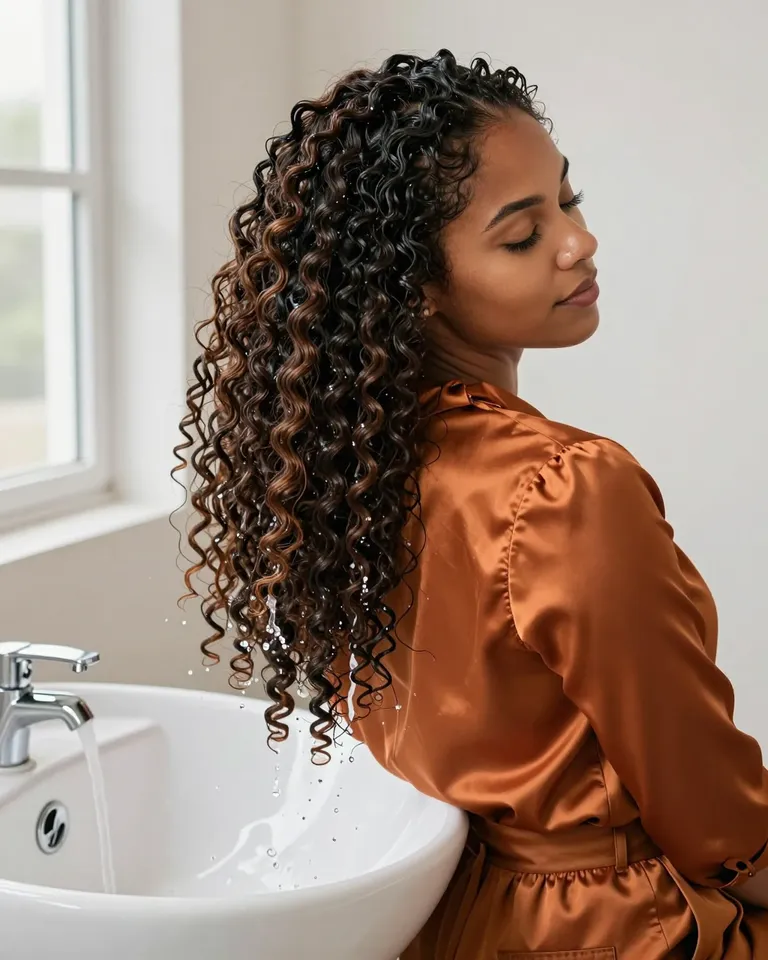
Part to expose rows. Spray diluted shampoo onto the scalp and massage in circles with pads of fingers. Work product down lengths without piling all the hair into one tangled mound on top of the head.
Spend extra time at the nape and hairline where sweat concentrates. Those zones start itching first when rows are skipped.
Rinse and condition
Rinse until water runs clearer — leftover shampoo under braids itches. Condition mid-lengths to ends; keep heavy cream out of the braid base where it turns to paste.

Dry like you mean it
Blot excess water. Dry the foundation thoroughly — hood dryer or careful airflow aimed at rows. Damp cornrows under wefts are the classic mildew story.
| Step | Do | Do not |
|---|---|---|
| Shampoo | Dilute; fingertip massage on scalp | Nail scratching; thrashing wefts |
| Condition | Lengths and ends | Pack grease into braid base |
| Dry | Fully dry rows before wrapping | Sleep wet “it will dry by morning” |
Aftercare
Light scalp oil or tonic sparingly if needed, satin wrap at night, and gentle morning styling. If odor returns in days, reassess wash technique or take-down timing.
If you flat-iron after washes, wait until the foundation is fully dry and use protectant on human hair lengths — styling over damp braids traps moisture underneath a sleek top.
Affiliate disclosure: As an Amazon Associate we may earn from qualifying purchases when a tracking tag is configured. Links below are category searches to help you compare — not paid rankings, star ratings, or guaranteed prices.
Shop these categories on Amazon
Criteria-first category searches for How to wash a weave — not paid product placements. Verify your must-have specs below before opening live Amazon listings.
-
🏆 Primary Category Pick
Applicator bottles & sulfate-free shampoo
Tools that help you reach the scalp — pick gentle shampoo by criteria, not a fake #1.
- ✓ Applicator tip
- ✓ Sulfate-free option
- ✓ Easy rinse
| Category | Primary Use Case | Must-Check Specs | Action |
|---|---|---|---|
| Applicator bottles & sulfate-free shampoo | Tools that help you reach the scalp — pick gentle shampoo by criteria, not a fake #1. |
| Search on Amazon → |
FAQ
Why does my weave smell after washing?
Usually a damp foundation or leftover product in braids. Re-dry thoroughly; take down if mildew is established.
Can I wash a quick weave the same way?
Not always — water can loosen bonds. Follow your stylist’s rules for bonded installs.
Should I clarify every wash?
Not automatically. Clarifying helps buildup but can dry fiber — alternate with gentler cleansers as needed.
Related
- Natural-looking sew-in
- Body wave sew-in
- Curly sew-in weave
- Sew-in weave hairstyles
- Protective weave styles
- Human hair weave
- Sew-in maintenance schedule
- Best sulfate-free shampoo for weaves
- Best deep conditioner for weave
- Best leave-in conditioner for weaves
- How to sleep with a weave
- How long to leave a sew-in in
- How to protect edges with a weave
- Machine weft vs hand-tied weft